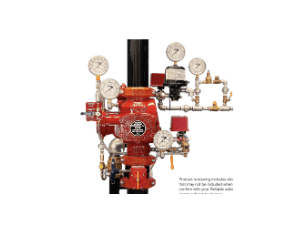
Preaction System Valves
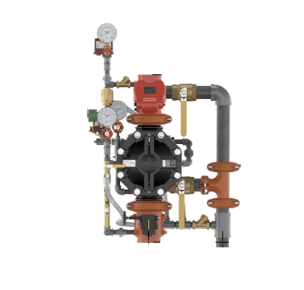
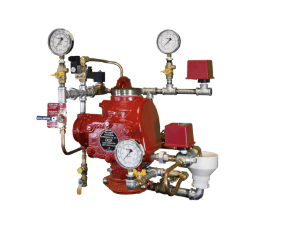
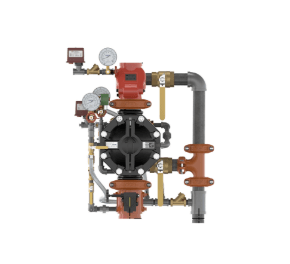
Preaction system valves are designed to provide fire protection in environments where accidental water discharge could cause costly damage, such as data centers, libraries, and museums. These valves keep sprinkler piping free of water until specific conditions are met, offering a higher level of control compared to standard wet or dry systems.
There are three main types. Non-interlock/Type B preaction systems permit water into the piping upon operation of either a detection device or a sprinkler, providing faster water delivery but less protection against false activation. Single-interlock systems require detection device activation before water enters the piping; sprinklers must then fuse to discharge water, minimizing accidental flooding. A Type A Single Interlock System is similar to a standard Single Interlock system except for a “Fail-Safe” element which uses dual solenoid valves on the trim to allow operation as a dry pipe system should a power failure or fault in the detection circuit occur. Double-interlock systems require both detection and sprinkler activation before admitting water, offering the highest protection against inadvertent discharge but with a slightly longer response time.
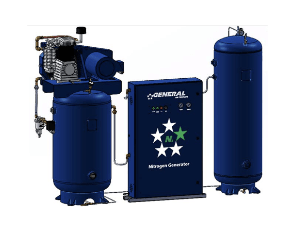
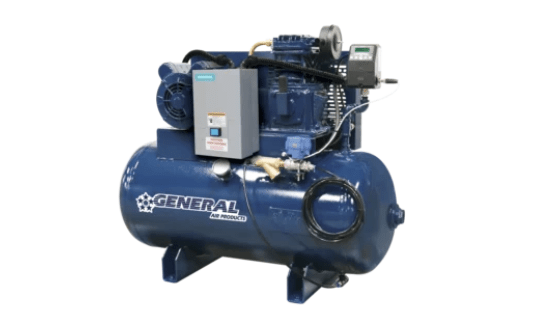
Auxiliary equipment enhances system reliability. Air compressors maintain supervisory pressure. Nitrogen generators are increasingly used to supply inert gas instead of air, significantly reducing internal corrosion and extending system life. Together, preaction valves and these supporting devices balance rapid fire suppression with protection of sensitive and high-value assets.