Fire Alarm and Signaling
Fire alarm and signaling devices serve to detect fire conditions, initiate system response, and communicate status to occupants and responders, forming the control and communication backbone of fire protection systems. Their purpose is to ensure early detection, coordinated actuation, and clear notification.
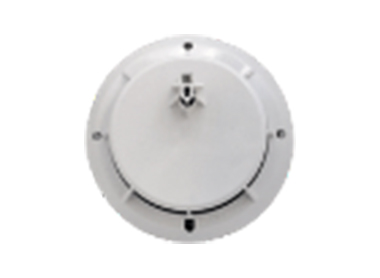
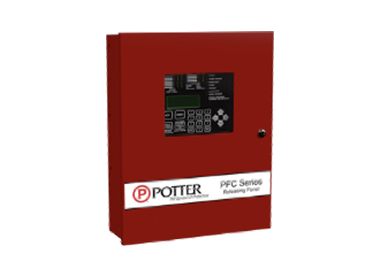
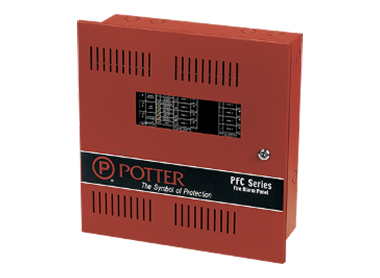
Detectors—including smoke, heat, and flame types—sense fire signatures and transmit signals to control equipment. Fire Alarm Control Panels (FACPs) receive and process these inputs, supervise system integrity, and activate notification appliances. In systems requiring suppression release, releasing panels (or releasing functions within FACPs) provide listed control of solenoids, actuators, or agent discharge in accordance with National Fire Protection Association NFPA 72.
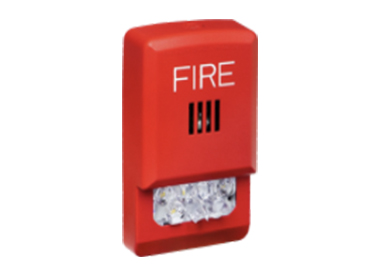
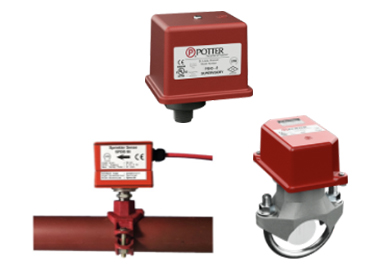
Flow and pressure switches monitor sprinkler system conditions, signaling waterflow (indicative of sprinkler operation) or supervisory states such as low air or closed valves. Notification appliances—horns, strobes, and speakers—alert occupants and direct evacuation or relocation.
Modern systems increasingly incorporate smart building hardware and software, enabling networked monitoring, remote diagnostics, data logging, and integration with building management systems. Together, these devices provide a coordinated, supervised framework that links detection, suppression, and occupant notification into a unified life safety system.