Special Hazards
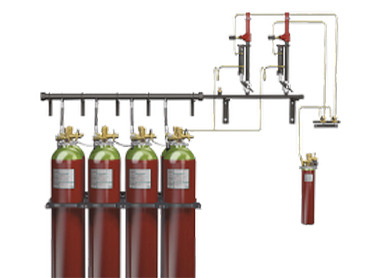
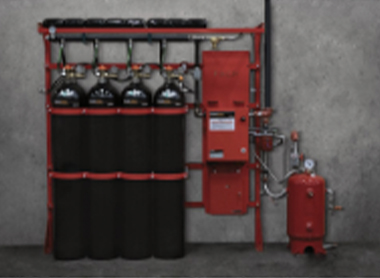
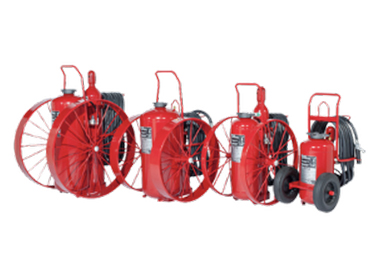
“Special Hazards” fire protection systems are designed to protect environments where conventional wet pipe sprinkler systems are ineffective, impractical, or could cause unacceptable damage. Their primary function is to rapidly control or suppress fires involving high-value assets, sensitive equipment, flammable liquids, or unique fire dynamics that differ from ordinary combustibles. These systems are commonly used in data centers, power generation facilities, aircraft hangars, chemical processing areas, clean rooms, and fuel storage or handling locations.
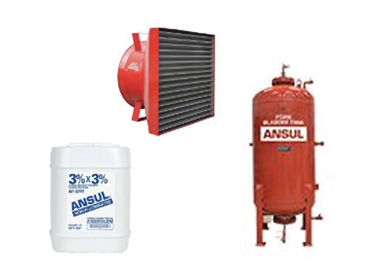
They are considered “special hazards” because the fire risks often involve rapid heat release rates, three-dimensional fuel arrays, energized equipment, or materials that react adversely to water. In such cases, water-based wet systems may be too slow, insufficiently distributed, or damaging to protected assets. As a result, alternative suppression agents—such as clean agents, foam, water mist, or dry chemical—are employed.
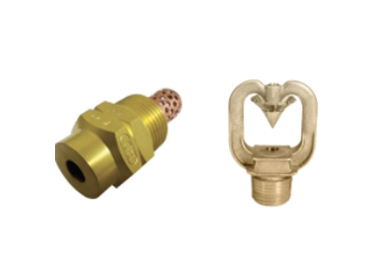
A distinguishing feature of many special hazards systems is the use of open discharge devices (nozzles) rather than individually heat-activated sprinklers. These nozzles discharge simultaneously upon system actuation, providing immediate and uniform agent application. Actuation is controlled by specialty valves—such as deluge valves, preaction valves, or releasing valves—which rely on detection systems (heat, flame, or smoke) rather than thermal elements at each nozzle. This coordinated release enables rapid suppression tailored to the specific hazard profile.