Dry System Valves And Associated Equipment
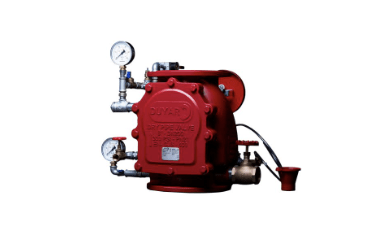
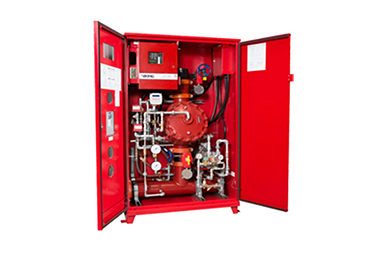
Dry pipe system valves are the primary control valves in fire protection systems designed for areas subject to freezing, where water-filled piping would be at risk of damage. These valves hold water back at the riser and keep the system piping pressurized with air or nitrogen. Upon sprinkler activation, the pressurized gas is released, allowing the dry pipe valve to open and water to flow into the piping network.
Several types exist: latched clapper (mechanical type) valves, which use a mechanism that acts to produce a force which is multiplied through a series of levers, links, or Latches to maintain the water clapper in the closed position;, and differential dry pipe valves, which typically use air or nitrogen pressure directly on top of the clapper to hold back water until loss of air or nitrogen pressure. Vacuum fire sprinkler systems are specialized dry or preaction configurations that maintain sub-atmospheric pressure within piping. When a sprinkler operates, air rushes inward, rapidly tripping the valve and accelerating water delivery. By minimizing oxygen and moisture inside the pipe, these systems also reduce internal corrosion and extend service life.
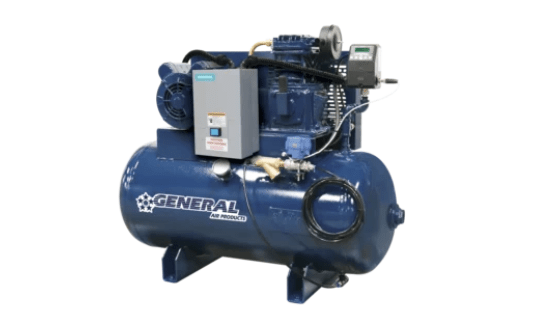
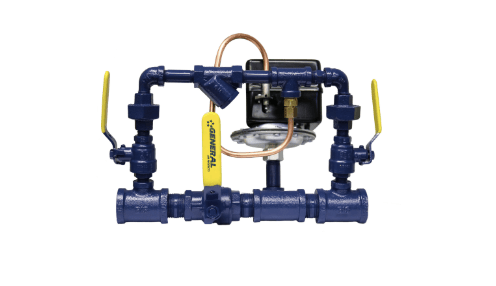
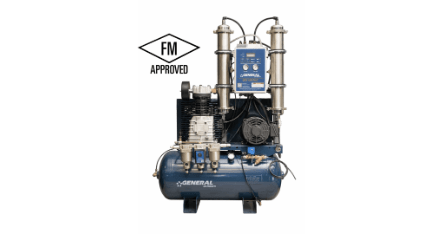
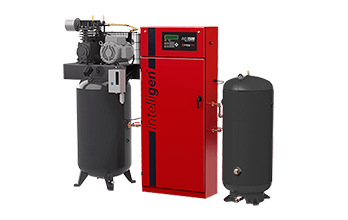
Supporting devices are integral to dry systems. Air compressors or dry air generators supply system air. Nitrogen generators are increasingly used to supply inert gas instead of air, significantly reducing internal corrosion and extending system life. Air-Maintenance-Devices (AMD’s) regulate supervisory pressure consistently. Additionally, vapor corrosion inhibitors can be introduced to protect internal pipe surfaces. Together, these valves and auxiliary devices ensure reliable operation of dry sprinkler systems, balancing freeze protection with long-term system durability